
Last updatedOct 19, 2026 · 7:04 PM (UTC)
Is South Korea Safe?
No destination is simply safe or unsafe. Risks vary by city, neighborhood, and circumstance - and conditions can change quickly. The key is understanding those risks and knowing how to navigate them.
Overview
South Korea has a stable security environment, though uncommon, foreign travelers can be affected by petty and opportunistic crime.
Ongoing tensions with North Korea present a latent risk due to North Korea’s increased missile testing in recent years. Presently, wider conflict appears unlikely.
Protests are common but mostly remain peaceful; however, mass demonstrations may turn violent when disbanded by force.
A variety of natural disasters affect South Korea, including typhoons, flooding, and wildfires, particularly from May to November.
South Korea
Safety by City
Safety conditions vary across South Korea. Explore city-level scores and neighborhood intelligence for popular destinations.
Neighborhood Safety in South Korea
Safety varies considerably within cities. Below are example neighborhoods from destinations covered by Outroad. Scores reflect assessed areas, not every neighborhood.
Higher Safety Scores
Neighborhoods with relatively higher Safety Scores.
Lower Safety Scores
Neighborhoods with relatively lower Safety Scores or specific concerns.
Risk Profile
Explore the key risks and considerations for traveling in South Korea.
- Incidents of petty and opportunistic crime, such as pickpocketing and street theft, occur but are infrequent. These incidents are more prevalent in crowded areas and major urban centers like Seoul and Busan, along with Jeju Island. Violent crimes against travelers is extremely rare.
- South Korea has widespread free Wi-Fi, but unsecured networks in public spaces can expose users to hacking, data interception, or malware. Ensure devices have the latest updates, avoid public Wi-Fi for sensitive transactions, and consider using a VPN (virtual private network) for enhanced online security.
- South Korea offers one of the safest and most efficient transportation systems globally.
- The subway systems in cities like Seoul, Busan, and Daegu are modern, reliable, and safe. Use navigation apps like KakaoMap or Naver Map for real-time schedules and route planning.
- Intercity and express buses are safe for long-distance travel. Alternatively, the KTX high-speed trains connect major cities like Seoul, Busan, and Gwangju.
- The ride-sharing app Kakao Taxi provides reliable and traceable rides with upfront pricing. Taxis are also widely available, safe, and metered.
- Protests occur frequently and are usually motivated by political, social, labor, and economic issues. They typically remain peaceful though there remains a latent risk of violence as the security forces have previously used forceful measures to disperse protests.
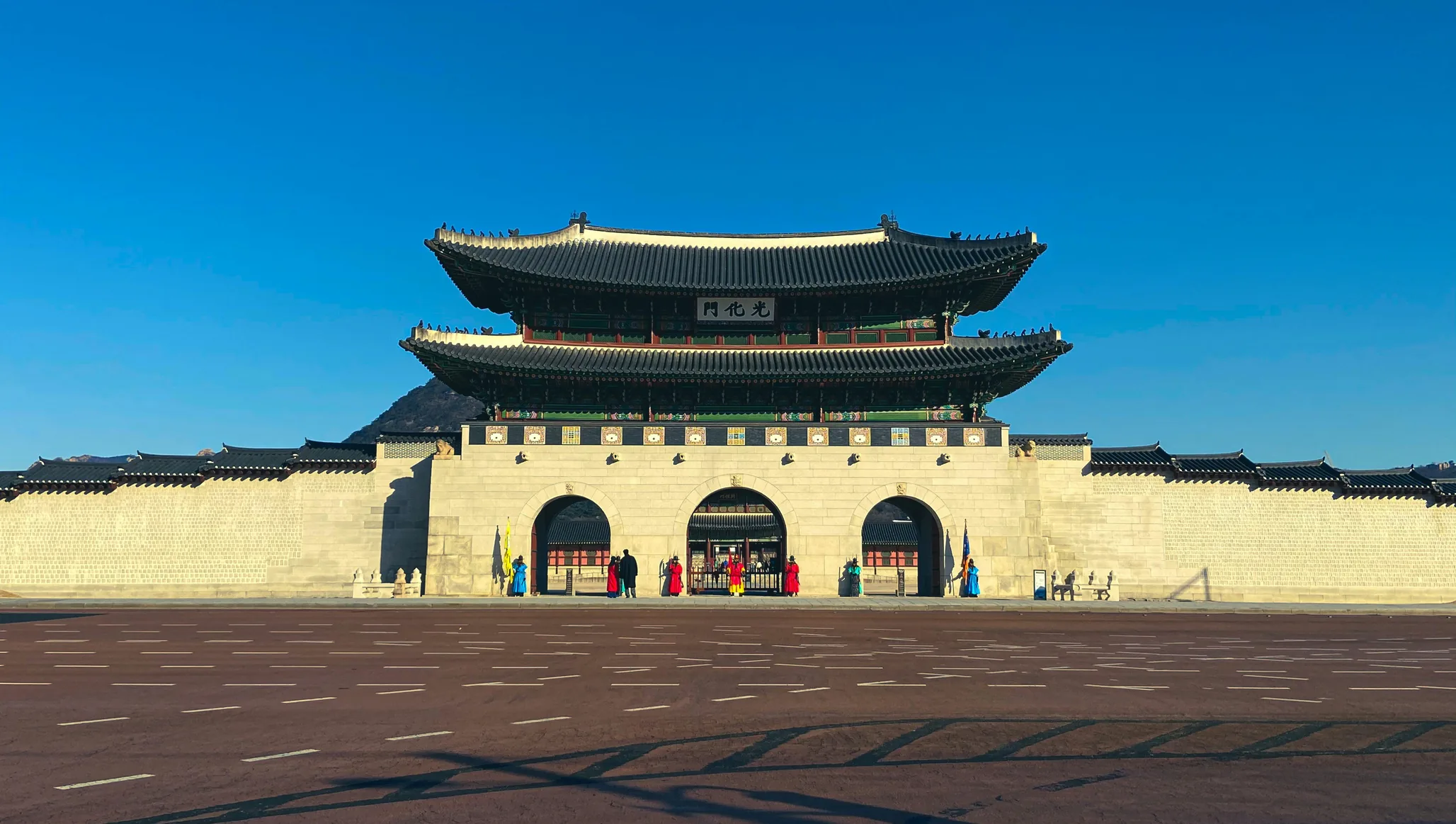
- In Seoul, key protest locations include Gwanghwamun Plaza and City Hall. Avoid protest areas to minimize the risk of travel disruption and risks to bystanders.
- Political and military tensions with North Korea have been heightened in recent years. North Korea conducts regular missile tests in the East Sea and the West Sea, as well as military drills near the maritime border with South Korea.
- External conflict remains unlikely, but travelers should avoid going near the Demilitarized Zone (DMZ) or to islands near the maritime border with North Korea, such as Yeongpyeong.
- North Korea maintains an arsenal of artillery that is within range of Seoul. Subways serve as an emergency shelter; the location of all civil defense shelters can be found by downloading the multilingual Emergency Ready app.
- Seasonal risks include flooding and typhoons from May to November, alongside potential wildfires during dry seasons and rare earthquakes.
- Strong typhoons occasionally make landfall and can cause widespread flooding and significant damage. Remain abreast of weather updates and follow local safety protocols when issued by authorities.
Explore South Korea on the Map
Compare city and neighborhood safety scores, explore recent incidents, and better understand your destination.
Less Uncertainty. More Freedom to Explore.
Get real-time safety alerts, monitor multiple destinations, and access expert travel insights - all in one place.


Real-time alerts
Stay informed about incidents as they happen.
City & neighborhood scores
Understand safety conditions before you travel.
Expert travel insight
Practical guidance for every destination.