
Last updatedOct 18, 2026 · 6:04 PM (UTC)
Is Israel Safe?
No destination is simply safe or unsafe. Risks vary by city, neighborhood, and circumstance - and conditions can change quickly. The key is understanding those risks and knowing how to navigate them.
Overview
The primary travel risks in Israel arise from a volatile security environment, marked by regional hostilities and risks of militant attacks.
In major urban areas, travelers face risks stemming from petty crime and unrest.
Key areas such as Gaza, border areas with Lebanon, Syria, and regions near the West Bank experience heightened security risks and are often subject to specific travel advisories, including recommendations against all travel.
The geopolitical situation is dynamic and can deteriorate rapidly, affecting travel routes, public transportation, and access to areas without prior warning.
Israel
Safety by City
Safety conditions vary across Israel. Explore city-level scores and neighborhood intelligence for popular destinations.
Neighborhood Safety in Israel
Safety varies considerably within cities. Below are example neighborhoods from destinations covered by Outroad. Scores reflect assessed areas, not every neighborhood.
Higher Safety Scores
Neighborhoods with relatively higher Safety Scores.
Lower Safety Scores
Neighborhoods with relatively lower Safety Scores or specific concerns.
Risk Profile
Explore the key risks and considerations for traveling in Israel.
- Ongoing military operations in Gaza and sporadic confrontations at the northern border with Lebanon mean that the security situation in Israel remains highly unpredictable. Travelers are encouraged to avoid conflict-prone areas such as the Gaza border, the West Bank, and northern border region.
- Entry restrictions and intensified security at borders may affect travel plans, particularly at crossings like Erez, and can be altered without notice.
- Israel maintains a high-security posture that includes a visible security presence and frequent checks. Compliance with local security directives, especially during military escalations, is crucial for personal safety.
- Conflict risks with neighboring Lebanon and Iran remain elevated. A key indicator of overt risk is the evacuation of diplomatic personnel from embassies. Travelers should be prepared to depart Israel under such circumstances.
- In the event of air raid sirens, travelers should immediately head to a designated bomb shelter (miklat), if possible. The Home Front Command app provides real-time alerts and locations of nearby shelters.
- While Israel experiences lower rates of violent crime compared to global standards, petty crime like pickpocketing and purse snatching is common in tourist locations such as Jerusalem’s Old City, Tel Aviv’s beachfront, and Eilat. Safeguard your belongings and stay vigilant in crowded areas.
- Cybersecurity threats are prevalent, including phishing scams, data breaches, and the risk of using unsecured public Wi-Fi. Travelers can protect themselves by updating device and app software, sticking to secure networks, using a VPN, setting strong passwords, and being cautious about clicking on unfamiliar links or emails.
- Official taxis in Israel are typically white with a yellow taxi sign on the roof. Ensure the taxi has these official markings and a working meter before getting in.
- For safer and more reliable transportation, use taxi apps like Gett and Yango instead of hailing taxis from the street.
- Public transportation, including buses and trains, is widely available but be aware of security checks and potential disruptions due to security incidents.
- Protests and demonstrations can occur and escalate quickly, particularly in Jerusalem near the Damascus Gate, around the Al-Aqsa Mosque compound, and areas surrounding the Gaza Strip and West Bank. Avoid these areas when demonstrations are taking place and follow developments for updates on potential civil unrest.
- Political developments and international events can trigger sudden and violent protests. Travelers are advised to avoid political gatherings and protest areas.
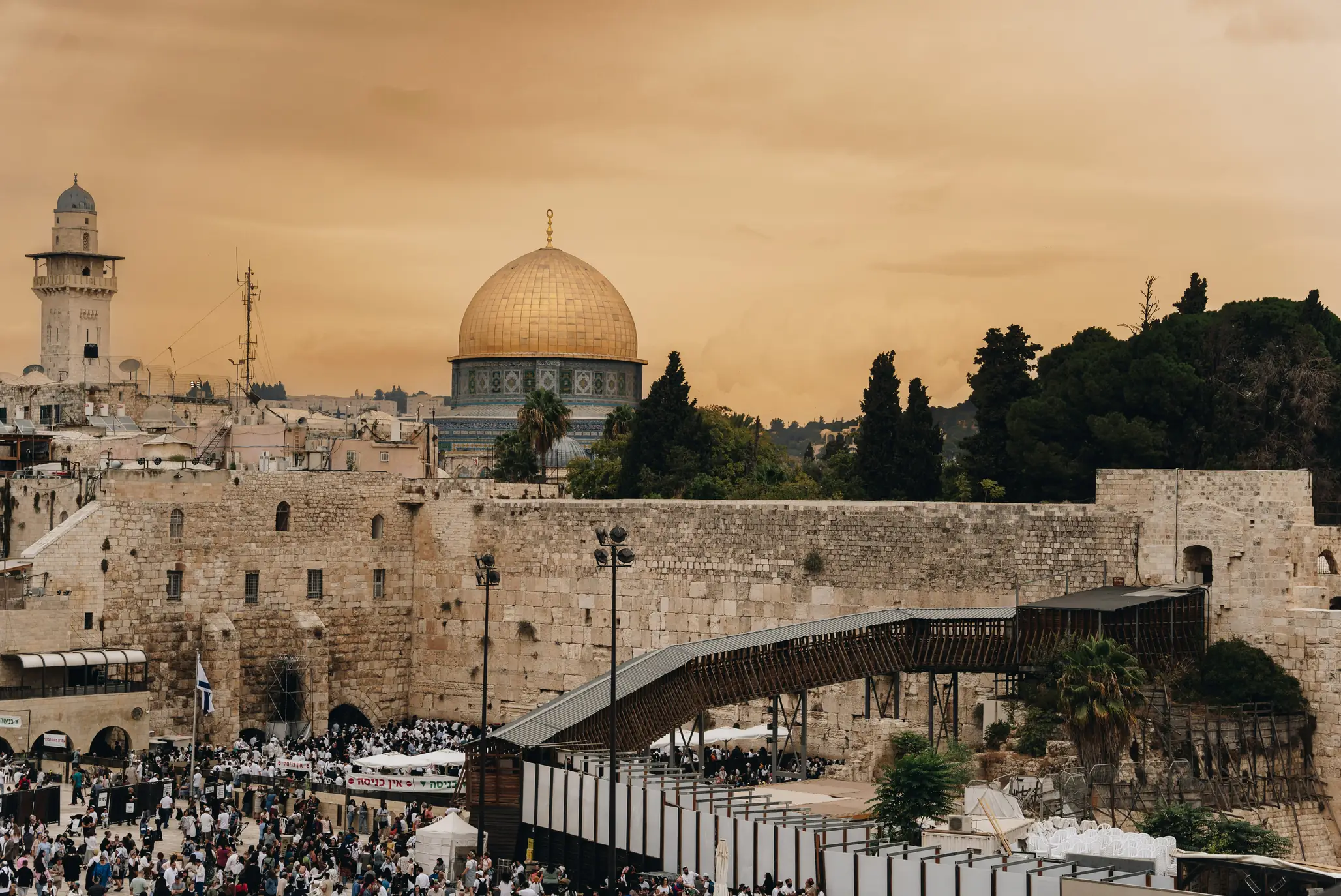
- The risk of terrorism is significant, with potential targets including public transport systems, national and religious landmarks such as the Western Wall and Tel Aviv’s central bus station, and densely populated public spaces. A number of militant groups have expressed intent to carry out terrorist attacks in Israel, though the capability of the security forces to thwart attacks remains high.
- Vigilance in public spaces is essential; travelers should ensure an immediate response to security warnings and alerts from local authorities. Be particularly cautious during public events or in crowded venues.
- Israel experiences occasional earthquakes, particularly around the Dead Sea Rift; however, most are mild and unlikely to cause damage
- Flash floods are common in the Negev Desert, including the area around Eilat, and along the Arava Valley. Sudden and heavy rains can overwhelm dry riverbeds (wadis), leading to fast-moving floodwaters. Additionally, the Judean Desert, particularly around Masada, often sees flash floods after sudden rainfall. Travelers are advised to avoid hiking or traveling through dry riverbeds (wadis) and other flood-prone areas during heavy rain or following flood warnings.
- It is illegal to take photographs of military installations and certain government buildings. Respect these restrictions to avoid legal trouble.
- Dress modestly, especially when visiting religious sites like the Western Wall, the Church of the Holy Sepulchre, and the Al-Aqsa Mosque, to respect local customs and avoid drawing unwanted attention.
- Show respect for local traditions and religious practices, particularly during religious holidays and in conservative areas like Mea Shearim in Jerusalem.
Explore Israel on the Map
Compare city and neighborhood safety scores, explore recent incidents, and better understand your destination.
Less Uncertainty. More Freedom to Explore.
Get real-time safety alerts, monitor multiple destinations, and access expert travel insights - all in one place.


Real-time alerts
Stay informed about incidents as they happen.
City & neighborhood scores
Understand safety conditions before you travel.
Expert travel insight
Practical guidance for every destination.